
What is Mediation

Confidential Mediation, Simplified for You
Mediation is a process whereby a neutral, impartial third person (mediator) encourages and facilitates the resolution of disputes without prescribing what that result should be.
In Florida, Mediation is a confidential, informal, non-adversarial, and non-binding process with a focus on helping parties reach mutually acceptable agreements and resolve disputes without the delays, costs, and stress of a trial. Mediations are normally conducted via Zoom or other technology, though in-person sessions can also be scheduled.
Choosing the Mediator
After a lawsuit is filed, a Judge will issue a Trial Order. Some Trial Orders Courts may name a mediator in the trial orders, but if the parties prefer, they can select another mediator. One of the attorneys or if Pro Se, the party, should tell the mediator that they selected a different mediator. This should be done promptly after the Trial Order is received. The easiest way is through email to the mediator, but you can also call or otherwise advise the mediator.
Remember - All parties must agree on the mediator.

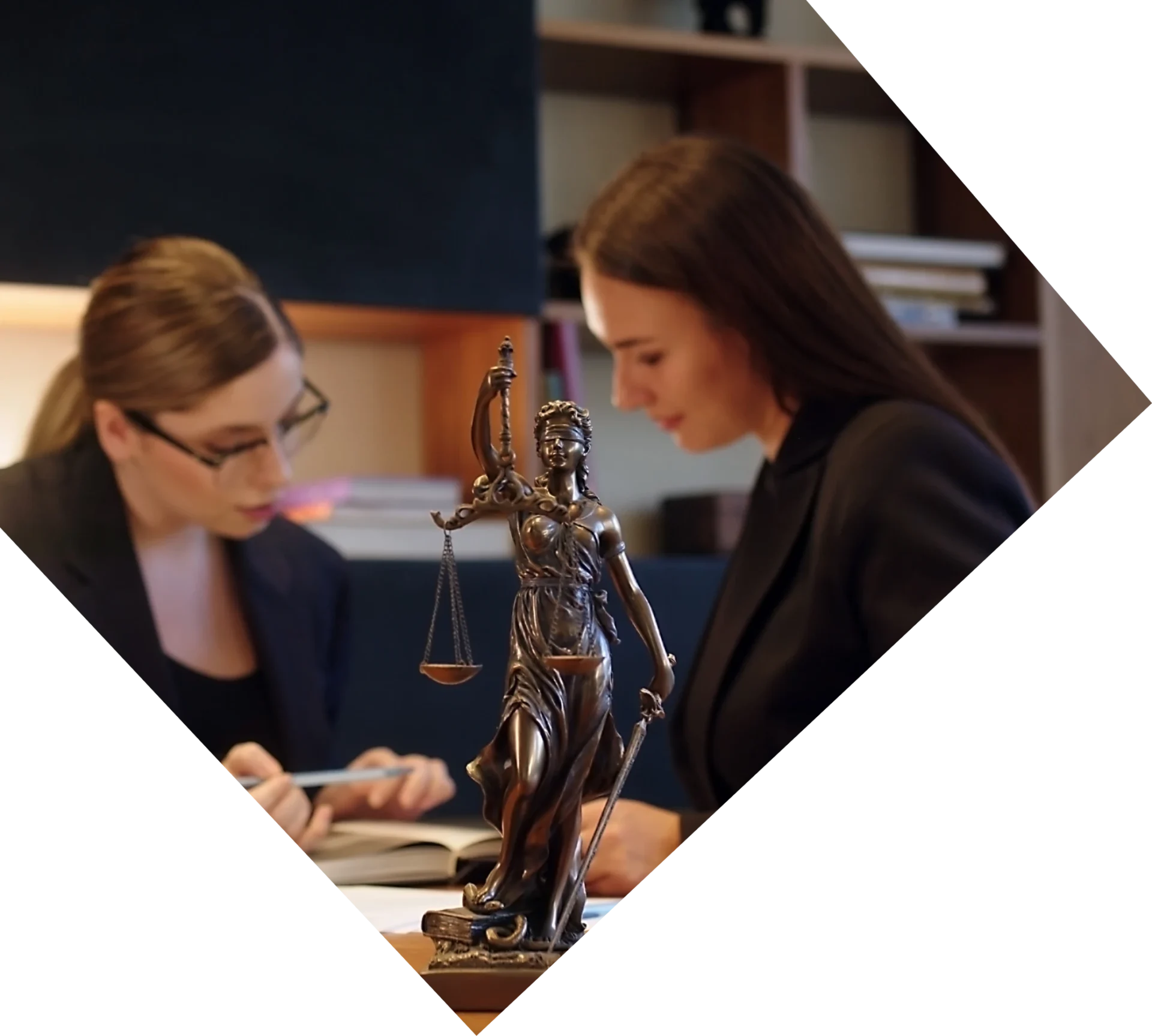
My Mediation Process
Before the conference, I review documents and information you or your attorney provide to me.
The Mediator gives a brief opening statement explaining the mediation process, including points required by the Florida Supreme Court.
Plaintiffs (or their attorneys) provide their opening statement explaining the dispute to the mediator and the other parties.
Defendants (or their attorneys) provide their opening statements explaining the their position and defenses on the dispute to the mediator and the other parties.
If there are multiple parties, all plaintiffs speak first, then defendants.
The Mediator may ask questions or make comments to clarify points.
The mediator normally asks if anyone wishes to say anything else, and if not, then the groups are separated into separate rooms for what is called “Private Caucus” or “breakout rooms” explained next.
Guiding Conversations, Not Decisions
Once separated, the mediator normally speaks first with the persons bringing the lawsuit or dispute, the Plaintiff normally.
The mediator then moves between rooms to help everyone understand each other’s positions, discuss risks, explore possible settlements of issues in whole or in part, explores concessions and otherwise assists the parties in their self-determination of the outcome of the dispute.
The mediator assists the parties. The Mediator does not decide the case, give legal advice, or force a settlement. Any agreement is voluntary and must be approved and signed by all parties.
-
Notes and documents are destroyed or not used after mediation.
-
If the dispute is not resolved in full, then any remaining issues in the dispute will continue through the litigation process and/or another mediation.
-
For disputes resolved in a matter already filed with the Courts:
-
The agreements are written in a Mediation Settlement Agreement, which the parties must sign, and
-
A Mediation Report is filed with the court stating only that
-
Mediation occurred and
-
The matter was or was not settled in whole or in part.
-
-
Any remaining issues will continue to either another mediation and/or the court process.
-
-
For disputes resolved in a pre-suit mediation (before a lawsuit is filed)
-
The agreements are written in a Mediation Settlement Agreement,
-
All parties must sign, and
-
A Mediation Report sent to counsel for the parties, or to the parties if they are unrepresented outlining that a mediation occurred and the matter was or was not settled in whole or in part. (If not already in their possession, the signed agreement will be provided at that time.)
-
-
For disputes relating to pre-suit mediations pursuant to the Homeowners or Condominium Owners Association statutes including under Florida Statutes Chapters 718, 719 and 720,
-
Agreements reached are written in a Mediation Settlement Agreement,
-
All parties must sign the Mediation settlement agreement, and
-
A Mediation Report is sent to counsel for the parties, (or to the parties if they are unrepresented) documenting that the statutory mediation occurred and whether the matter was settled in whole or in part.
-
If not already in their possession or of the parties or their counsel, the signed Mediation Settlement Agreement will be provided at that time.
-
Guiding You From Conflict to Solution
I make navigating disputes easier by guiding you through my mediation process step by step—explore my approach and schedule your mediation with me today.